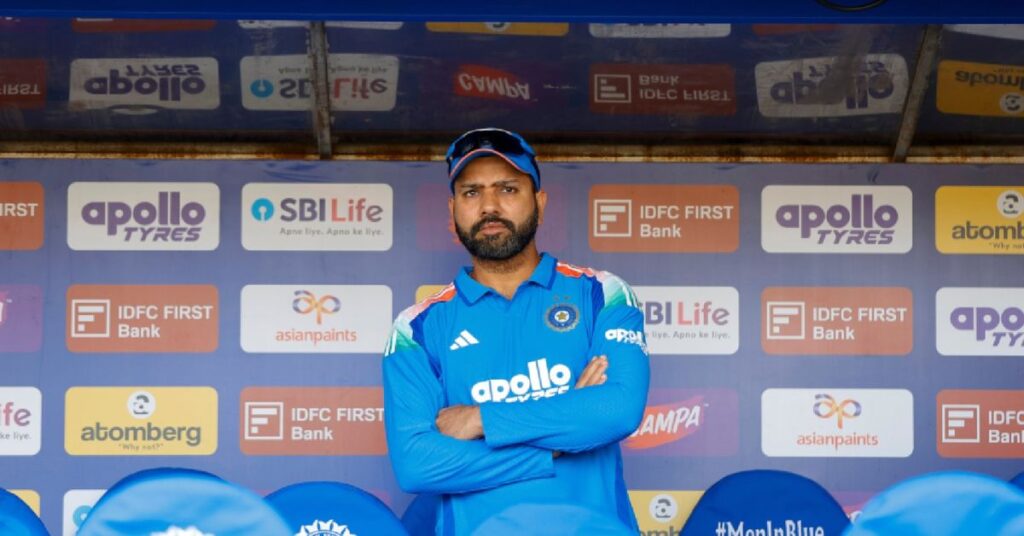

India’s ODI series loss to New Zealand has not only sparked debates about tactics and execution but has also placed senior players under intense scrutiny, none more so than Rohit Sharma. Questions around Rohit’s form, intent, and even his “hunger” have dominated post-series discussions. However, amid growing criticism, India captain Shubman Gill has come out strongly in defence of the veteran opener, pushing back against narratives questioning Rohit’s commitment to the game.
Gill’s comments underline a larger issue within Indian cricket: how senior players are judged after defeats and how leadership balances accountability with support. This episode is not just about one player’s poor series—it reflects the pressures of leadership transitions, generational shifts, and expectations attached to India’s most experienced stars.
This SEO-optimised, long-form blog breaks down the controversy, Gill’s defence of Rohit Sharma, why questions about “hunger” emerged, a deeper analysis of Rohit’s New Zealand series performance, reactions from experts and fans, and what this moment means for India’s ODI future. The structure and narrative are intentionally varied to keep the reading experience fresh and engaging.
The Series That Triggered the Debate
India’s defeat against New Zealand did not come through one disastrous performance. Instead, it was shaped by missed opportunities, lack of ruthlessness, and inconsistent leadership on the field. As the series slipped away, attention inevitably shifted toward senior players expected to lead from the front.
Rohit Sharma, as:
- A senior batter
- A former long-term captain
- One of India’s most decorated ODI openers
became a focal point of criticism after failing to deliver a defining innings across the series.
Rohit Sharma’s Numbers Against New Zealand
Statistically, Rohit’s series was underwhelming by his own standards.
Key concerns raised included:
- Starts without conversion
- Loose dismissals in the powerplay
- Lack of a match-defining knock
While these numbers alone do not tell the full story, they provided ammunition for critics questioning whether Rohit still carries the same intensity and motivation in bilateral series.
Where Did the “Hunger” Question Come From?
The term “hunger” has long been associated with elite athletes—used to describe desire, intensity, and mental sharpness. In Rohit’s case, critics argued that:
- His body language appeared subdued
- Shot selection suggested complacency
- There was no visible attempt to dominate bowlers
Such interpretations, however, are highly subjective and often influenced by results rather than intent.
Shubman Gill Steps In: A Captain’s Defence
Amid the noise, Shubman Gill offered a clear and composed defence of Rohit Sharma, shutting down speculation about his commitment.
Gill emphasised that:
- Rohit’s preparation and effort remain unquestionable
- A poor series does not define a player’s hunger
- Experience brings perspective, not indifference
Gill’s response reflected leadership maturity—defending a senior teammate while acknowledging the team’s collective failure.
Gill’s Leadership Moment
For Gill, this was more than just defending a teammate. It was a defining leadership moment.
By backing Rohit publicly, Gill:
- Reinforced unity within the squad
- Sent a message against scapegoating
- Took responsibility as captain
In a transition phase for Indian cricket, such clarity from the captain is crucial.
Experience vs Intensity: A Misunderstood Debate
One of the central issues in the criticism of Rohit is the misinterpretation of experience as lack of hunger.
Veteran players often:
- Play percentages rather than impulsively
- Appear calmer under pressure
- Avoid unnecessary risks
This does not equate to reduced motivation. In fact, it often reflects deeper game awareness.
Rohit Sharma’s Role in India’s ODI Setup
Rohit’s value to India goes beyond single-series performances.
He brings:
- Decades of experience at the top level
- Tactical understanding of ODI tempo
- Mentorship for younger batters
Even during lean phases, his presence influences dressing-room dynamics and on-field decision-making.
The New Zealand Bowling Factor
Another aspect often overlooked is New Zealand’s bowling discipline.
They:
- Targeted Rohit with specific plans
- Bowled fuller lengths early
- Packed off-side fields
This made scoring freely in the powerplay difficult—not just for Rohit, but for most Indian batters.
Collective Failure, Not Individual Blame
Gill repeatedly stressed that the series loss was a team failure, not the result of one player’s form.
India struggled with:
- Middle-order partnerships
- Finishing innings strongly
- Applying pressure with the ball
Singling out Rohit ignores broader issues that contributed to the defeat.
Reaction from Former Players and Experts
The cricketing fraternity was divided.
Some former players:
- Criticised Rohit’s shot selection
- Called for more accountability from seniors
Others supported Gill’s stance, arguing:
- Great players should not be judged on one series
- Leadership demands backing experienced players
- “Hunger” cannot be measured from the outside
This divide highlights how emotionally charged discussions around Indian cricket have become.
Fan Sentiment: Frustration Meets Loyalty
Indian fans reacted strongly, but opinions varied.
Common fan reactions included:
- Frustration over repeated series losses
- Support for Rohit’s legacy and past achievements
- Appreciation for Gill’s calm leadership
The debate revealed a fanbase torn between impatience for results and respect for experience.
Pressure of Transition in Indian Cricket
India are currently navigating a transition phase:
- New captain
- Evolving team combinations
- Balancing youth and experience
In such phases, scrutiny of senior players intensifies, sometimes disproportionately.
Why Gill’s Defence Matters Long-Term
Gill’s public backing of Rohit sets an important precedent.
It:
- Encourages trust within the team
- Reduces fear of public scapegoating
- Promotes accountability without hostility
Such an environment is essential for sustained success.
Rohit Sharma’s Response Will Matter
While Gill’s defence offers breathing room, Rohit’s response on the field will ultimately shape the narrative.
He will be expected to:
- Deliver impactful innings
- Set the tone early in matches
- Lead through performance rather than reputation
Great players are often judged by how they respond after criticism.
The Fine Line Between Criticism and Disrespect
Constructive criticism is vital, but questioning a player’s hunger crosses into speculative territory.
Gill’s comments highlight:
- The need for measured analysis
- Respect for what senior players have achieved
- Awareness of mental and physical demands on veterans
Such balance is often missing in reactionary debates.
Lessons for Indian Cricket Discourse
This episode reveals deeper issues in how Indian cricket is discussed.
There is a need to:
- Separate form from intent
- Avoid emotional overreaction
- Focus on systemic improvements
Players and teams grow best in rational environments.
What India Must Focus on Next
Beyond individual debates, India’s priorities remain clear:
- Strengthen middle-order consistency
- Improve bowling execution in key phases
- Convert dominance into wins
These areas matter more than any single player’s form.
Gill’s Captaincy Under the Microscope
Gill’s calm handling of this controversy has earned praise.
It shows:
- Emotional intelligence
- Willingness to protect team culture
- Ability to handle external pressure
As captain, such qualities are as important as tactical acumen.
Looking Ahead: Rohit’s Role in the Bigger Picture
Rohit Sharma’s career is at a stage where:
- Every series invites scrutiny
- Expectations remain sky-high
- Experience is both asset and burden
How India manage this phase will influence their ODI future.
Conclusion
After questions were raised about Rohit Sharma’s “hunger” following a poor New Zealand series, India captain Shubman Gill’s defence of the opener offered clarity, balance, and leadership. Gill’s stance highlighted an important truth: form fluctuates, but commitment cannot be judged from the outside.
While Rohit’s performances will continue to be analysed, reducing his contribution to one series ignores years of excellence and leadership. For India, the focus must remain on collective improvement rather than individual scapegoating.
In elite sport, defeats test unity as much as skill. By standing by Rohit Sharma, Shubman Gill has taken a step toward building a culture that values accountability without losing trust—an approach that could define the next chapter of Indian cricket.