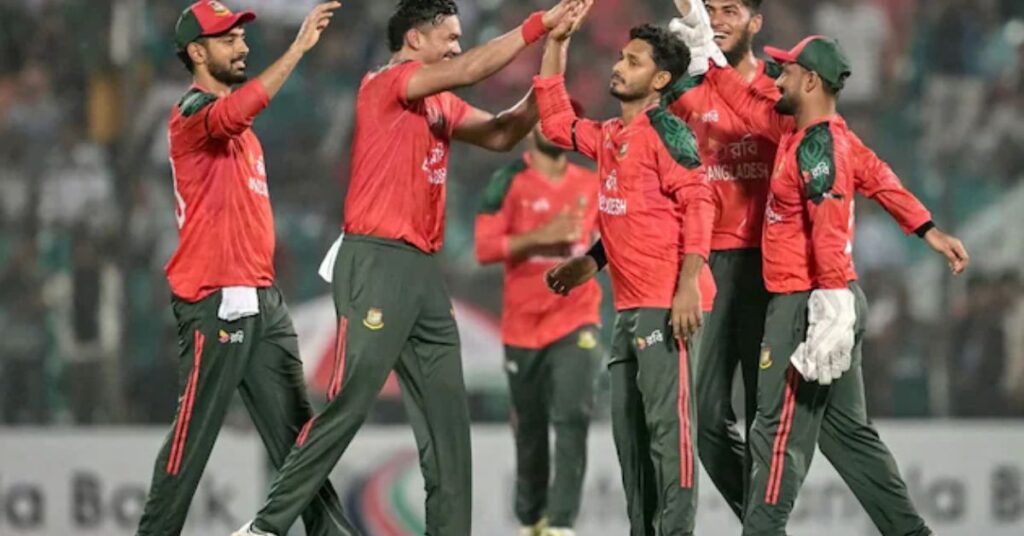

The growing controversy surrounding Bangladesh’s participation in the ICC Men’s T20 World Cup 2026 has taken a sharper turn after the Bangladesh Cricket Board (BCB) formally responded to what it has described as an “ultimatum” from the International Cricket Council (ICC). In a strongly worded communication, Bangladesh has alleged that it is being subjected to “unreasonable pressure” to comply with tournament arrangements that it believes raise serious concerns.
The response marks a critical escalation in an already tense standoff involving the ICC, Bangladesh, and other cricket boards, with potential consequences for the tournament’s structure, governance credibility, and the broader relationship between international cricket bodies and their member nations.
Background: How the T20 World Cup Row Began
The ICC Men’s T20 World Cup 2026, scheduled to be jointly hosted by India and Sri Lanka, was meant to be a celebration of global cricket. However, preparations have been overshadowed by controversy after Bangladesh raised concerns about playing its scheduled matches in India.
According to reports, Bangladesh communicated its discomfort to the ICC well in advance, citing:
- Security-related concerns
- Broader regional and diplomatic sensitivities
- The need for clear guarantees regarding player safety
Bangladesh requested that its matches be shifted to Sri Lanka, the tournament’s co-host, arguing that such an arrangement would be reasonable under the circumstances.
ICC’s ‘Ultimatum’: What Was Communicated
As discussions dragged on without resolution, the ICC reportedly issued a firm deadline to the Bangladesh Cricket Board to confirm its participation under the existing schedule.
The ICC’s position, as understood from reports, was based on:
- Finalised hosting agreements
- Logistical and broadcast commitments
- Tournament integrity and fairness
The ICC allegedly warned that failure to comply could result in serious consequences, including forfeiture of matches or disciplinary action—language that Bangladesh has since described as an “ultimatum.”
Bangladesh’s Official Response
In response, Bangladesh issued a formal communication to the ICC rejecting what it termed “unreasonable pressure” and asserting its right as a sovereign cricket board to raise legitimate concerns.
According to sources familiar with the matter, Bangladesh’s response highlighted several key points:
- The BCB had raised concerns in good faith
- Player safety and national considerations cannot be ignored
- The tone and timing of ICC communications were inappropriate
- Decisions should be reached through dialogue, not coercion
Bangladesh reportedly made it clear that it does not accept decision-making through threats or deadlines, especially on matters it considers sensitive and non-negotiable.
Why Bangladesh Feels Pressured
From Bangladesh’s perspective, the situation goes beyond cricket logistics. Officials believe that:
- Their concerns were not given adequate weight
- The ICC prioritised schedules over safety discussions
- The imposed deadline created artificial urgency
The use of the term “ultimatum” suggests that Bangladesh felt cornered rather than consulted—a perception that has deepened mistrust between the board and global cricket authorities.
Player Safety at the Centre of the Debate
The BCB has repeatedly emphasised that its stance is rooted in player welfare, not politics or competitive advantage.
Modern international cricket places increasing emphasis on:
- Physical safety
- Mental well-being
- Secure travel and accommodation
Bangladesh argues that cricket boards have a responsibility to act cautiously when any concerns—real or perceived—are raised by governments or security agencies.
The ICC’s Dilemma: Authority vs Accommodation
The ICC now finds itself in a difficult position. On one hand, it must:
- Enforce tournament regulations
- Protect scheduling integrity
- Avoid setting precedents that complicate future events
On the other hand, ignoring a member board’s serious concerns could:
- Damage trust in ICC governance
- Escalate political involvement
- Lead to public disputes that harm cricket’s image
Bangladesh’s strong response has made it clear that this is no longer a routine scheduling disagreement.
Regional Implications and PCB Support
The situation gained further complexity after reports emerged that the Pakistan Cricket Board (PCB) supports Bangladesh’s stance. While Pakistan’s own matches are already scheduled under a hybrid arrangement, its backing has:
- Added diplomatic weight to Bangladesh’s position
- Increased pressure on the ICC
- Highlighted broader regional sensitivities
This alignment suggests that the issue resonates beyond a single board and could influence how other nations perceive ICC decision-making.
Impact on Tournament Planning
If the dispute remains unresolved, the T20 World Cup could face:
- Venue reshuffles
- Revised group schedules
- Broadcast and ticketing complications
While the ICC is keen to avoid last-minute changes, Bangladesh has indicated it will not compromise on principles simply to preserve convenience.
Players Caught in the Middle
While administrators exchange statements, players are left dealing with uncertainty. For Bangladesh’s cricketers, this situation creates:
- Disruption in preparation
- Mental stress ahead of a major tournament
- Unclear travel and training plans
Several Bangladesh players have publicly stated that they want to play in the World Cup, highlighting the emotional toll administrative disputes can have on athletes.
Cricketing Community Reacts
Former Cricketers
Many former players have urged calm, dialogue, and compromise, noting that:
- Ultimatums rarely lead to constructive outcomes
- Player welfare should remain central
- Cricket must avoid public administrative standoffs
Fans
Bangladesh fans have largely backed the board’s firm response, while also expressing concern that prolonged disputes could harm the team’s World Cup prospects.
Analysts
Experts warn that unresolved conflicts could:
- Undermine the ICC’s authority
- Encourage future disputes
- Politicise cricket further
Historical Context: Not an Isolated Case
International cricket has faced similar situations in the past:
- Neutral venues for Pakistan
- Hybrid hosting models in Asia Cups
- Tour cancellations due to diplomatic tensions
These precedents suggest that flexibility, while controversial, has often been necessary to keep global cricket functioning.
Possible Outcomes From Here
Several scenarios remain possible:
1. Negotiated Compromise
The ICC and BCB could agree on venue adjustments or special arrangements.
2. ICC Enforcement
The ICC could enforce its schedule, risking further escalation.
3. Hybrid Model Expansion
Bangladesh could be allowed to play all matches at neutral venues.
4. Prolonged Standoff
Extended deadlock could disrupt preparations and public confidence.
Most observers believe a compromise is the most practical solution, though it may come at the cost of precedent-setting decisions.
Governance Questions Raised
This episode has sparked wider debate about:
- ICC’s communication approach
- Balance of power between boards
- Transparency in decision-making
- Role of governments in cricket
Bangladesh’s allegation of “unreasonable pressure” has intensified scrutiny of how the ICC handles sensitive disputes.
What This Means for Bangladesh Cricket
For Bangladesh, the response represents:
- Assertion of autonomy
- Commitment to player welfare
- Willingness to challenge authority
However, it also carries risks, including strained relationships and potential sporting consequences.
Global Image of Cricket at Stake
High-profile disputes between boards and the ICC risk:
- Distracting from on-field action
- Damaging cricket’s reputation
- Alienating fans
As the T20 World Cup approaches, stakeholders will be keen to see the issue resolved without further public confrontation.
Why Language Matters in International Sport
The use of words like “ultimatum” and “unreasonable pressure” highlights how language can escalate tensions. Many analysts believe that:
- More diplomatic communication
- Greater transparency
- Earlier engagement
could have prevented the situation from reaching this point.
What Happens Next
The ICC is expected to review Bangladesh’s response in upcoming meetings. Any decision will likely involve:
- Consultations with member boards
- Legal and contractual considerations
- Security assessments
The next few days could prove decisive in determining whether the controversy de-escalates or deepens.
Conclusion: A Defining Test for ICC Diplomacy
Bangladesh’s response to the ICC’s alleged ultimatum marks a significant moment in modern cricket governance. By alleging “unreasonable pressure,” the BCB has drawn a clear line—one that challenges how international cricket balances authority with sensitivity.
As the world waits for a resolution, one thing is evident: the outcome of this standoff will have implications far beyond the 2026 T20 World Cup. It will shape how cricket’s global administrators engage with member boards, handle sensitive concerns, and preserve the spirit of the game in an increasingly complex world.
For now, cricket waits—not just for a decision, but for diplomacy to prevail over confrontation.